
Last Saturday, I spent the evening with friends. Nothing particularly stressful happened. We had dinner, talked about work, laughed about old memories, and made vague plans to meet again.
By the time I got home, though, I couldn't face another conversation.
There were a few messages waiting on my phone, including one from a friend asking whether I'd made it home. I answered that one, put the phone down, and spent the next hour enjoying the silence.
It wasn't that I'd had a bad evening. Quite the opposite.
I was just tired of talking.
That feeling can be surprisingly difficult to explain, especially when the people you've been spending time with are people you genuinely like.
You might enjoy a gathering from beginning to end and still feel completely worn out afterward. You might even start looking forward to going home halfway through, then feel guilty because everyone else seems happy to stay.
If you've ever wondered why socializing leaves you so drained, the answer may have less to do with how much you like people and more to do with what being around them asks of you.
The Part of Socializing Nobody Really Talks About
A conversation can look effortless from the outside.
Two people sit across from each other, drink coffee, and talk. Nothing about it seems particularly demanding.
But think about what you're actually doing.
You're listening, remembering details, deciding what to say, reading expressions, and trying to follow where the conversation is going.
If you're with several people, you're doing all of that while keeping track of different voices and personalities.
Then there's everything happening around you.
The waiter interrupts. Someone at the next table is talking loudly. Your phone vibrates. A friend starts telling a story while another person asks you a question.
Most of the time, you manage these little interruptions without thinking about them.
But they still take attention.
And attention isn't unlimited.
This helps explain why you might feel fine after a quiet afternoon with one friend but exhausted after two hours at a crowded restaurant.
It's not necessarily the company. Sometimes it's the amount of stimulation that comes with it.
Sometimes You're Working Harder Than Everyone Realizes
There's another kind of social tiredness that has very little to do with noise.
It happens when you spend most of a conversation worrying about how you're coming across.
You think about whether you've spoken enough. Whether you've spoken too much. Whether the joke you made was actually funny.
Someone goes quiet, and you wonder if you've upset them.
You start telling a story, notice that another person looks distracted, and suddenly want to finish as quickly as possible.
From the outside, you probably seem perfectly comfortable.
Inside, you're doing a surprising amount of work.
People who worry about being judged or disappointing others may find social situations especially tiring. They aren't simply having a conversation; they're also monitoring their own behavior throughout it.
And the effort doesn't always stop when they leave.
You get home and remember something you said three hours earlier.
Was it rude? Did it sound strange? Why did nobody respond?
The more you revisit the conversation, the harder it becomes to switch off.
If this happens regularly, it may help to notice how often you're making assumptions about what other people think.
A friend looking distracted doesn't necessarily mean they're bored with you. A short reply doesn't automatically mean someone is annoyed.
Sometimes people are simply tired, distracted, or thinking about something else.
And sometimes a conversation is a little awkward.
That doesn't mean anything went wrong.
Being the Person Everyone Talks To Can Be Exhausting
Some people are naturally good listeners.
Friends trust them. Colleagues confide in them. Family members call when something goes wrong.
It's a lovely quality to have, but it can also become exhausting.
Imagine spending your lunch break listening to a colleague talk about problems at home. Later, a friend calls because she's upset about her relationship. That evening, a family member wants your opinion on a difficult decision.
You care about all three people.
You want to help.
But by bedtime, you've spent a large part of the day thinking about other people's worries.
And perhaps nobody has asked how you're doing.
This doesn't mean you should stop supporting the people you love.
It means you're allowed to have limits.
You can listen without offering a solution. You can tell someone you don't have the energy for a difficult conversation tonight. You can suggest catching up tomorrow when you're better able to give them your attention.
Caring about people shouldn't require you to ignore yourself.
Why You Might Feel Tired Even When You've Had a Good Time
One of the most confusing things about social exhaustion is that it doesn't always match your mood.
You might feel happy throughout an evening and exhausted afterward.
That's because enjoyment and energy aren't the same thing.
Think about a long day at the beach. You can have a wonderful time swimming, walking, and spending time outdoors, then come home physically exhausted.
Social activities can leave you mentally tired in a similar way.
A busy event might involve hours of conversation, background noise, emotional attention, and constant small decisions.
You may not notice how tired you are until everything becomes quiet.
The same thing can happen when you've already had a demanding week.
After five days of meetings, phone calls, deadlines, and responsibilities, a Friday evening gathering might be one more thing your mind has to manage.
It doesn't matter that the gathering is enjoyable.
You may simply have reached your limit for the day.
The Difference Between Wanting to Be Alone and Avoiding People
Needing time alone after socializing doesn't automatically mean you're introverted.
And being introverted doesn't mean you dislike people.
Some people enjoy large gatherings but need a quiet evening afterward. Others prefer one-on-one conversations. Some feel energized by social activities most of the time but become easily exhausted when they're stressed.
What matters is whether your social life feels comfortable and manageable.
There's also an important difference between choosing time alone because it feels restorative and avoiding people because social situations cause significant fear or distress.
If you're regularly turning down invitations because you're terrified of being judged, or if ordinary conversations cause intense anxiety, there may be more going on than a preference for quiet time.
But if you've had a pleasant evening and simply want to spend the next few hours by yourself, that isn't something you need to fix.
It's worth learning what helps you feel balanced.


What Actually Helps When You're Socially Exhausted?
The usual advice is to get more rest, set boundaries, and practice self-care.
None of that is wrong.
But it's not always very useful when you're standing in your kitchen at ten o'clock at night, feeling exhausted and wondering why you agreed to go out in the first place.
A better place to start is by noticing when the tiredness begins.
Do you feel fine for the first hour and then suddenly want to leave?
Are you comfortable with close friends but exhausted after meeting new people?
Do you feel more tired after emotional conversations than casual ones?
Does the feeling happen mainly after work, when you've already spent the whole day talking?
The answers can tell you quite a lot.
If noisy environments are the problem, you might enjoy quieter places.
If you find long gatherings difficult, there's nothing wrong with arranging to stay for an hour or two.
If you're exhausted because you keep agreeing to plans when you need rest, the answer may be to become more comfortable saying no.
And if you spend hours replaying conversations afterward, it may help to work on that habit rather than reducing your social life altogether.
You don't necessarily need fewer friends or fewer conversations.
You may just need to approach socializing in a way that suits you.
Make the journey home a chance to unwind.
After a long evening, it's tempting to immediately start scrolling through your phone.
You check messages, look at photos from the event, and catch up on everything you missed.
Before you know it, you've spent another hour taking in information.
If you're already mentally tired, try giving yourself a quieter transition.
You might listen to music on the way home, take a short walk, or sit for a few minutes without looking at your phone.
There's no need to make it a formal routine.
The point is simply to give yourself a break from responding to things.
Don't make every invitation an obligation.
It's easy to fill your calendar with plans you don't particularly want to attend.
You say yes because you haven't seen someone in a while. Because they invited you last time. Because you feel guilty about turning them down.
But there's a difference between making an effort for your relationships and agreeing to everything.
You can suggest another day.
You can meet for coffee instead of dinner.
You can leave early.
And you can say you're tired without inventing an elaborate excuse.
Most people understand that life gets busy and energy runs low.
The people who care about you should be able to accept that you won't always be available.
Give yourself something quiet to look forward to.
If you know a social event is going to be demanding, it can help to leave some space afterward.
Maybe that means keeping Sunday morning free after a Saturday night out.
Maybe it's spending twenty minutes reading when you get home.
Or perhaps it's simply knowing you don't have to speak to anyone else for the rest of the evening.
You don't need a complicated self-care routine.
Sometimes having permission to do nothing is enough.
Can Journaling Help You Understand Social Exhaustion?
If you're often tired after seeing people, you might notice that the exhaustion isn't always the same.
Some evenings leave you feeling content but ready for bed.
Others leave you tense, irritated, or worried about something you said.
Those differences are worth paying attention to.
Writing a few sentences can help.
You might note that you enjoyed dinner but found the restaurant overwhelming. Or that you felt anxious around a particular group because you were worried about fitting in.
You might realize that you're usually more tired when you make plans straight after work.
These observations aren't about judging your friendships.
They're about understanding your own needs.
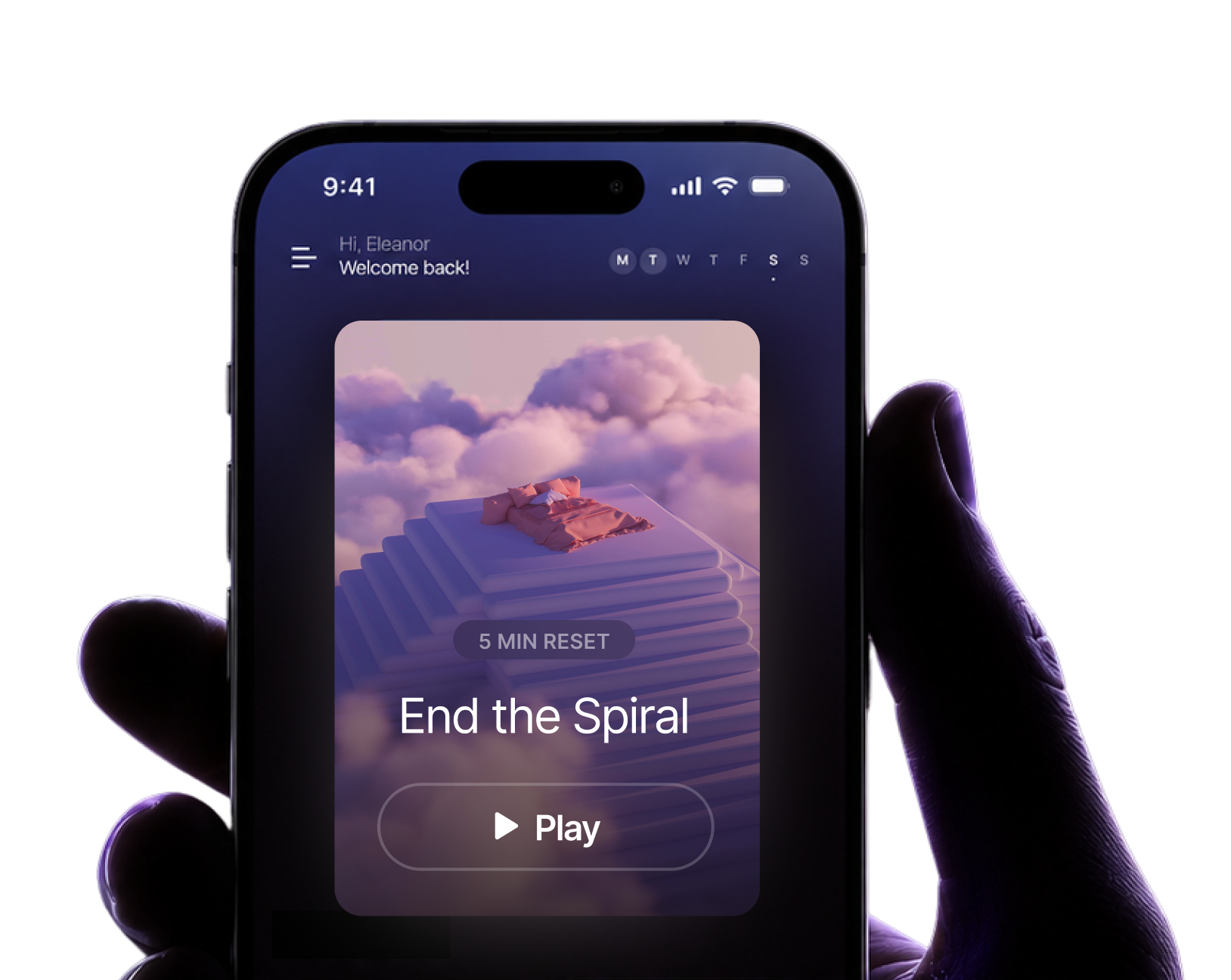
Inside offers journaling and mood tracking features that can make it easier to check in with how you're feeling over time. If your mind is still busy after a long day, you can also explore its guided meditations as a way to spend a few quieter minutes.
You don't have to analyze every social interaction.
But occasionally noticing what leaves you feeling comfortable, anxious, happy, or exhausted can help you make choices that suit you better.
When Social Exhaustion Deserves More Attention
Most people feel tired after a particularly busy day.
But if you're regularly exhausted by ordinary activities, struggling to manage daily responsibilities, or finding that you no longer enjoy things you used to look forward to, it's worth speaking with a healthcare professional.
Persistent fatigue can have several causes, including sleep difficulties, stress, physical health conditions, and mental health concerns.
Similarly, if fear of social situations is affecting your relationships or preventing you from doing things you want to do, a mental health professional may be able to help.
You don't have to wait until things become unmanageable to ask for support.
You Don't Have to Enjoy Every Minute of Being Around People
There are people you could happily spend an entire weekend with.
Others you might enjoy seeing for an hour.
Some gatherings leave you feeling energized. Others make you want to go home and sit in silence.
That's normal.
You don't have to judge your friendships by how long you can stay out or how many plans you can fit into a week.
And you don't have to feel guilty because you enjoyed someone's company but were relieved when the evening ended.
The next time you come home after a good night and feel completely drained, you can simply acknowledge it.
You had fun.
You're tired.
Now you'd like some quiet.
Those three things can exist together.
Frequently Asked Questions
Why do I feel exhausted after spending time with friends?
Conversations require attention, especially in busy environments or when you're already stressed. You may enjoy seeing your friends while still feeling mentally tired afterward.
Is it normal to need alone time after socializing?
Yes. People differ in how much social interaction they enjoy and how much downtime they need. Wanting some quiet after a busy day doesn't mean you dislike being around others.
Why do I feel drained around people I love?
Even close relationships involve emotional attention and conversation. You might also be tired from other responsibilities or spending time in an overstimulating environment. Feeling drained doesn't necessarily reflect how much you care about someone.
How can I recover from social exhaustion?
Try giving yourself a little quiet time, reducing notifications, getting adequate sleep, and avoiding unnecessary commitments when you're already tired. It can also help to notice which social settings leave you feeling most comfortable.
Can social exhaustion be related to anxiety?
Sometimes. Worrying about being judged, monitoring your behavior, or replaying conversations can make social situations more demanding. If anxiety is persistent or interfering with your life, consider speaking with a qualified mental health professional.